04Biodiversity & Bioindicators
We work to understand and protect biodiversity, connecting citizen science and research excellence.
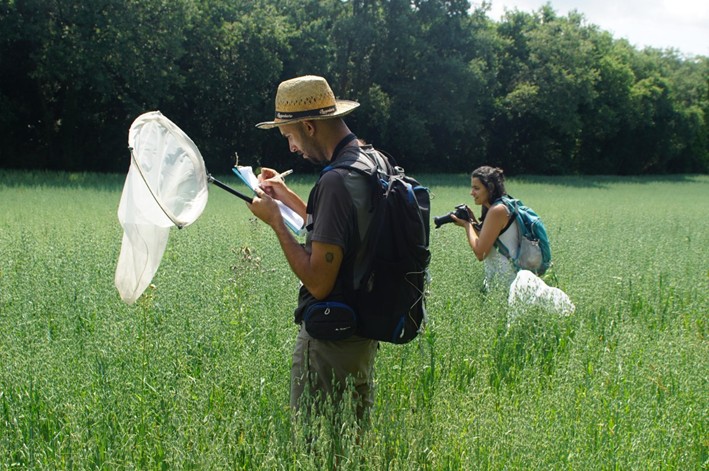
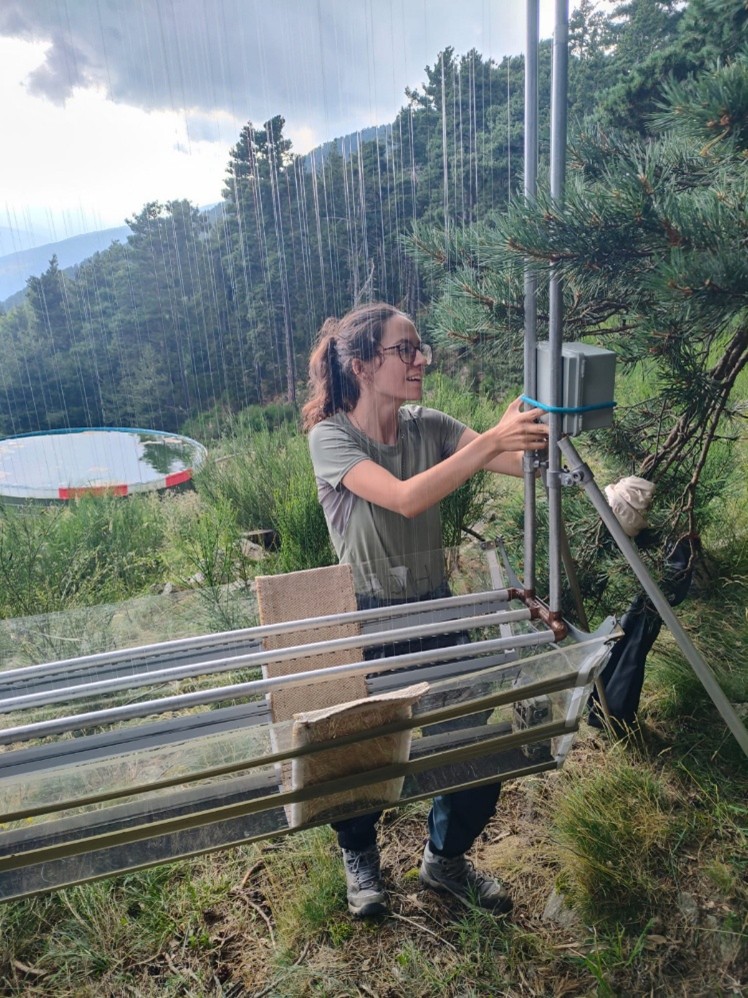
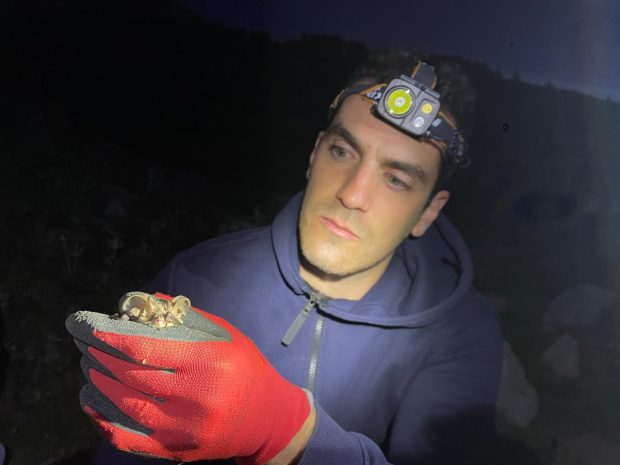
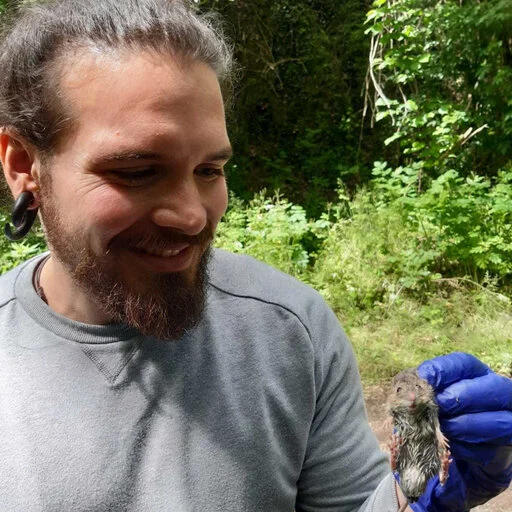
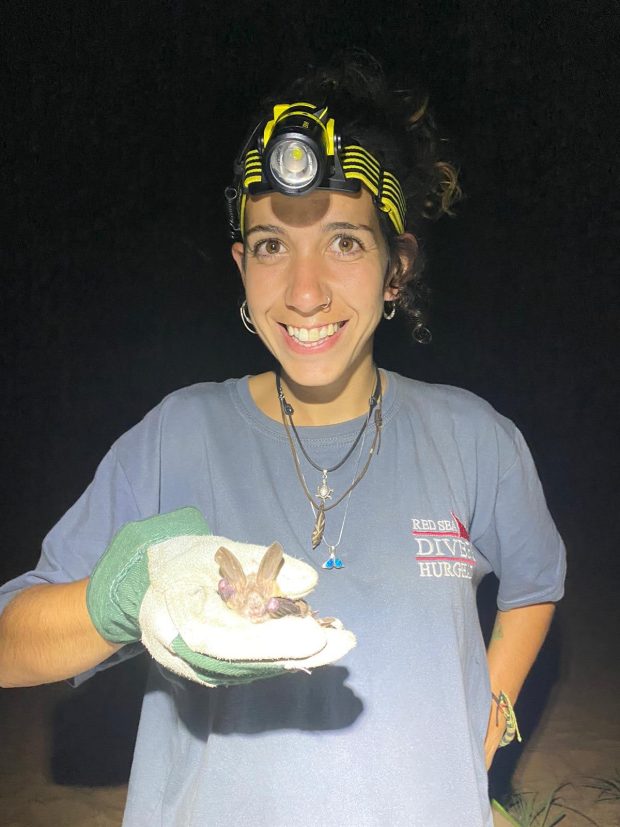
The BiBio (Biodiversity and Bioindicators) team is based at the Museum of Natural Sciences in Granollers. It studies biodiversity and its impact on global change, focusing mainly on studying fauna from long-term monitoring programs based on citizen science.
BiBio’s activity focuses on deepening the knowledge of biodiversity, especially of the most unknown or threatened species, to better understand how they live and how they interact with their environment. It also analyzes how this biodiversity responds to major global changes, such as climate change or transformations in land use, and identifies species that act as bioindicators of ecosystem health. In this context, the relationship between biodiversity, applied ecology and essential ecosystem services is highlighted, as well as the influence of landscape and territorial management on these dynamics.
Another key axis is the value of citizen science as a scientific tool, highlighting the conditions necessary to guarantee the quality and usefulness of the data collected. Thanks to voluntary monitoring networks, BiBio can analyze biodiversity at multiple scales, from the local level to extensive bioclimatic regions. Finally, these data become fundamental to improve governance and guide evidence-based conservation and territorial planning policies.
The team also develops digital platforms for the collection, management and analysis of biodiversity data, which allow observations from monitoring networks and citizen science projects to be integrated into scientific research and decision-making in the field of conservation and management of the territory.
Apart from being benchmarks in the biological groups it studies, the BiBio coordinates several follow-up programs:
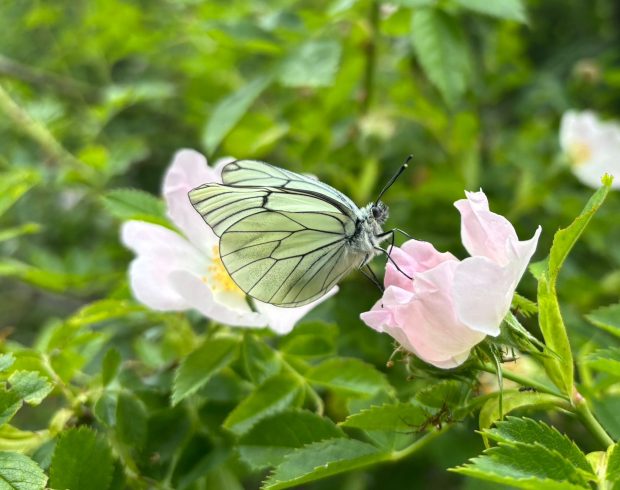
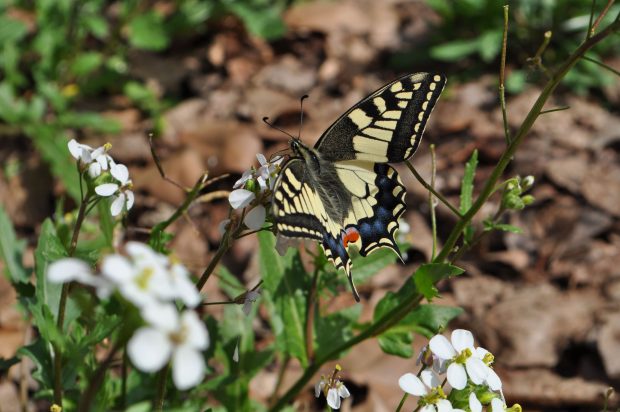
- Catalan Butterfly Monitoring Scheme (CBMS) – butterfly monitoring program
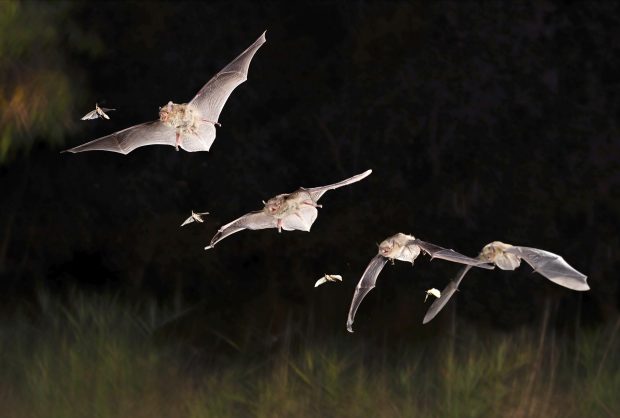
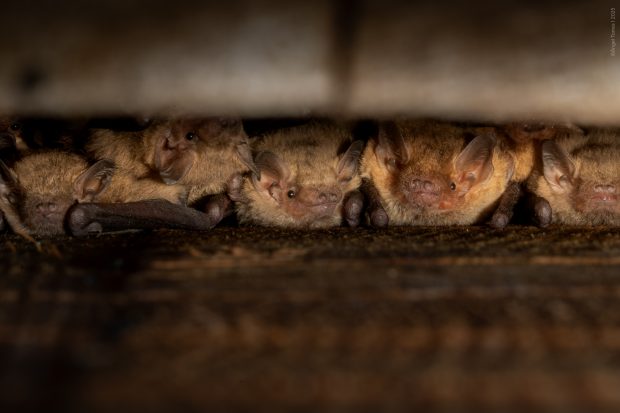
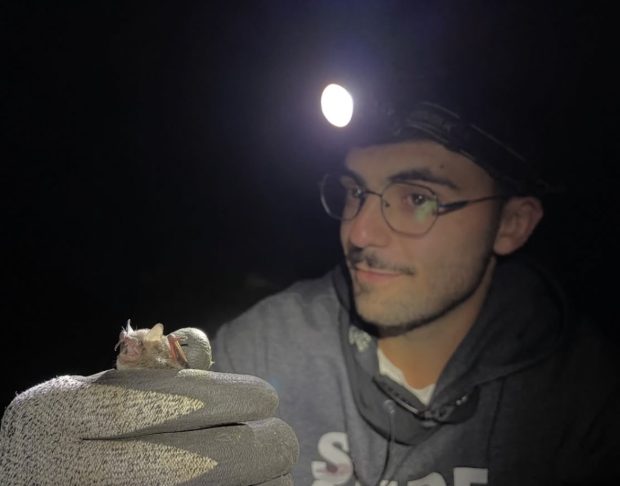
- Bats – bat monitoring program
- Monitoring of Terrestrial Mammals which includes the SEMICE – monitoring of small mammals and the Dormouse Project – monitoring of the gray dormouse