Bats can significantly reduce the damage caused by grape worm in vineyards
The document focuses particularly on the European grapevine moth ( Lobesia botrana ), one of the most significant vineyard pests worldwide.
[addtoany]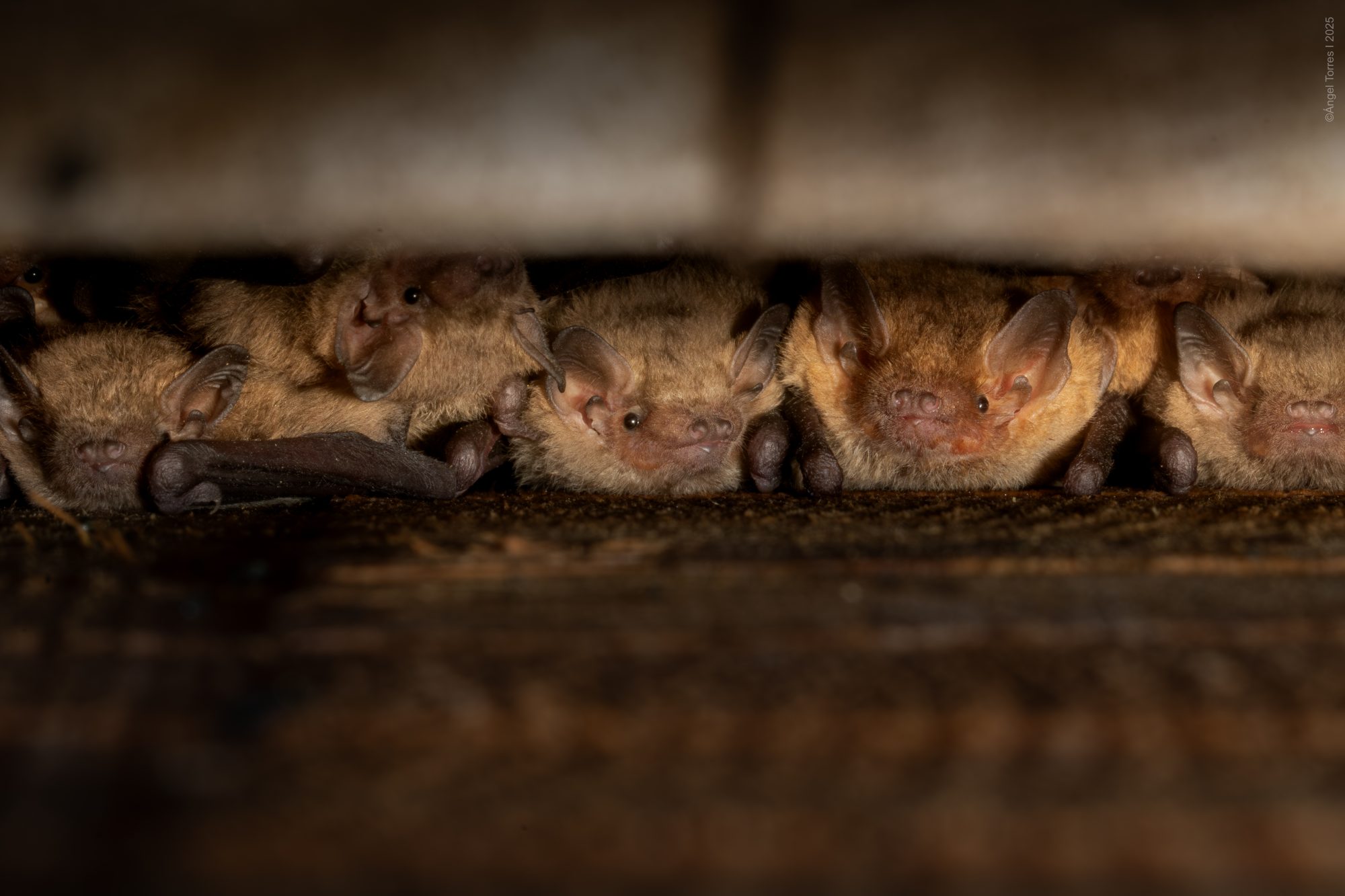
The BETA Technology Centre of the University of Vic – Central University of Catalonia (UVic-UCC) has published the guide Biological control of insect pests in vineyards using bats , a manual of good practices that gathers scientific evidence on the role of bats in pest control and offers tools to promote their presence in wine-growing environments.
The document focuses particularly on the European grapevine moth ( Lobesia botrana ), one of the most significant vineyard pests worldwide. Its larvae can cause direct damage to grapes and promote the development of fungal diseases that compromise the quality and yield of the harvest. Several studies have shown that bats actively consume this insect and can contribute to naturally reducing its populations.
In addition to compiling international scientific evidence, the manual incorporates the results of trials conducted in vineyards in the Empordà and Penedès regions. These trials compared the impact of the pest on plots with and without bat access. The results show that, under pest pressure, areas where bats were prevented experienced up to 59% more egg masses of the grape berry borer .
A work by the BiBio group
The study was conducted by researchers from the BiBio group at the Granollers Museum of Natural Sciences , part of the CT BETA research group, with the participation of the Emys Foundation . According to Xavier Puig , the project coordinator, the aim is “to gather the main scientific knowledge on the role of insectivorous bats in the biological control of agricultural pests and translate it into practical recommendations for the wine sector.”
Beyond this result, Xavier Puig emphasizes that “the guide reinforces the importance of conserving and properly managing the natural elements present in the agricultural landscape,” taking into account aspects such as the presence of vegetated margins, plant cover, agroforestry mosaic landscapes, water points or suitable refuges for fauna that contribute to increasing biodiversity.
The recommendations in this publication show that elements often present in the agricultural landscape, such as bats, can effectively contribute to pest control . This knowledge allows for the incorporation of new management tools based on natural processes and complements other common crop protection strategies.
This work has been developed within the framework of a Knowledge Transfer Demonstration Activity co-financed by the CAP Strategic Plan 2023-2027.