An industrial PhD from BETA proposes a biorefinery model to optimize the valorization of waste in the meat industry
[addtoany]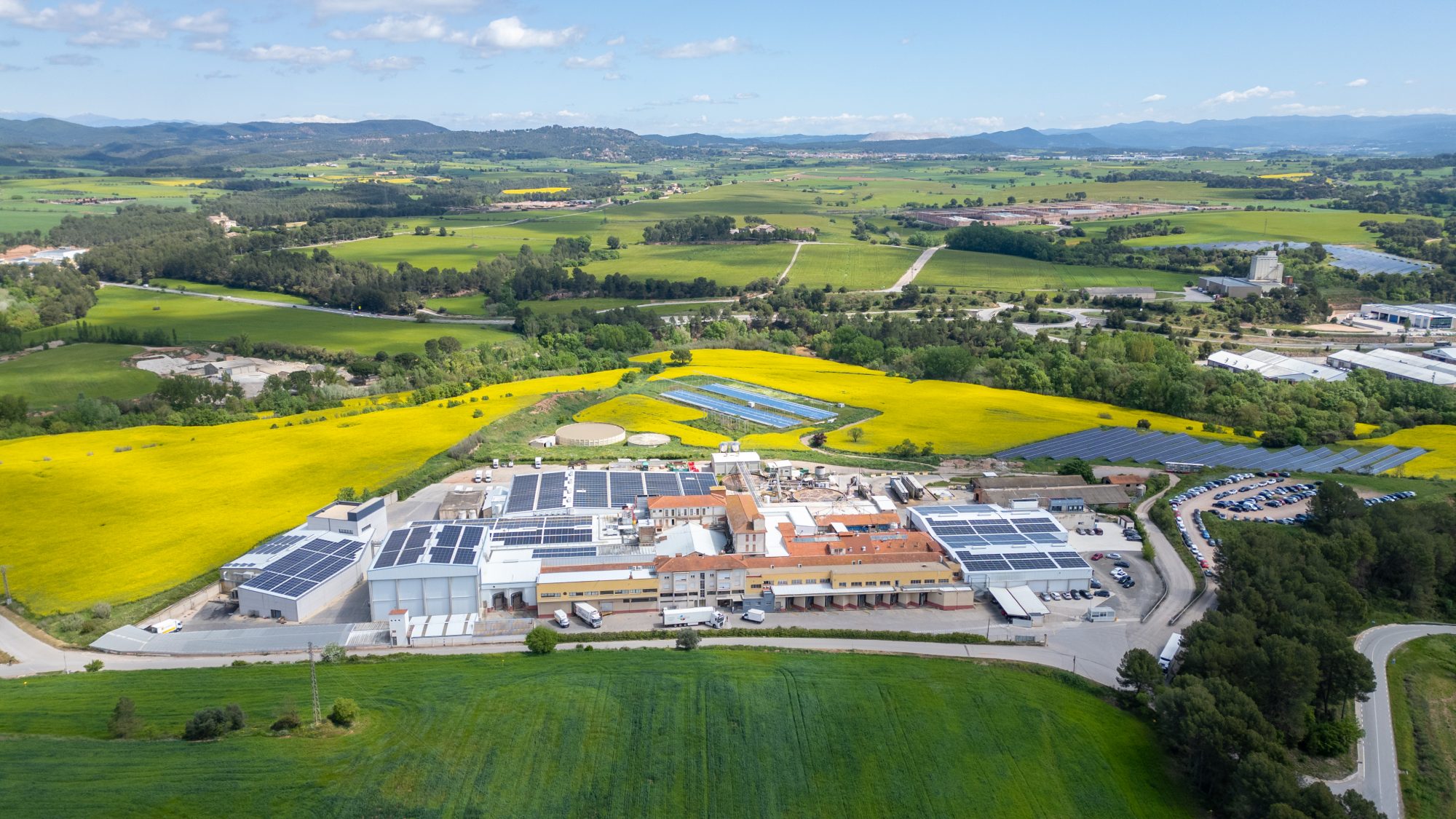
The meat industry can clearly move towards more sustainable models based on the circular bioeconomy. This has been observed in the doctoral thesis of Dr. Miquel Bistué Rovira, which focuses on two strategic lines: wastewater regeneration and the energy recovery of animal by-products. This thesis is the result of collaboration between academia and industry, developed by the BETA Technological Centre of the University of Vic – Central University of Catalonia and Mafrica, a Catalan family business in the meat sector dedicated to the slaughter and butchering of livestock (especially pigs), as well as the production and marketing of meat products.
This study uses the industrial pig slaughterhouse as a case study and addresses some of the sector’s main challenges, particularly relevant in contexts like Catalonia, where pressure on water resources and the need for industrial decarbonization are increasingly evident. The meat industry, essential to the European agri-food sector, is characterized by high water and energy consumption, as well as the significant generation of waste and by-products.
The thesis, which was developed within the framework of the European project AccelWater, analyzes the long-term operation (for more than two years) of two pilot plants installed directly in the slaughterhouse: a membrane bioreactor (MBR) for wastewater treatment and an anaerobic digester (AD) for the valorization of by-products.
Water regeneration
Regarding water regeneration, the membrane bioreactor has demonstrated its ability to produce an effluent of suitable quality for reuse in internal food industry applications that do not involve direct contact with food. For example, this water could be used in cooling systems or for cleaning outdoor facilities, livestock pens, and trucks. According to the thesis results, this reuse could reduce the slaughterhouse’s water demand by up to 25%.
The study also analyzed the presence of emerging contaminants in industrial wastewater and reclaimed water, such as veterinary drugs and antibiotic resistance genes, which can pose a health and environmental risk to water reuse. Although the bioreactor moderately removes the former (between 50% and 80%) and more than 99.9% of the latter, the results indicate a low environmental risk from the detected levels of these contaminants. However, methodologies need to be standardized to assess the potential impact on water reuse in industry.
Valorization of by-products
In parallel, the research has addressed the treatment of confiscated animal by-products such as intestines and viscera not intended for human consumption. These products, classified as animal by-products not intended for human consumption (SANDACH), lack a clear commercial outlet and were subjected to anaerobic digestion processes in the study.
These processes generate biogas, composed mainly of methane and carbon dioxide, which can be used as an energy source. Under optimal conditions, the system could cover up to 15% of the slaughterhouse’s total energy demand or replace up to 28% of its current natural gas consumption.
However, the research also reveals technical and economic limitations. On the one hand, the high concentration of fats and proteins in meat by-products can inhibit the biological process if not properly controlled. This, combined with the investment and operating costs associated with biogas plants, presents a challenge for their decentralized implementation in the industry.
However, the thesis identifies potential ways to optimize the anaerobic digestion of byproducts by incorporating wastewater or sewage sludge generated by the industry itself. It also proposes purifying the methane and reusing the CO₂ contained in the biogas for internal slaughterhouse processes, such as animal stunning, thus contributing to closing the resource cycle within the industry.
Towards a more circular and self-sufficient industry
Overall, Bistué’s work demonstrates that technologies such as membrane bioreactors and anaerobic digestion have real potential to contribute to the water and energy self-sufficiency of the meat industry. The combination of water regeneration and byproduct valorization allows for a reduction in both resource consumption and waste generation, moving towards more circular and sustainable production models.
This thesis, which arose from collaboration between the academic and industrial worlds, provides key scientific evidence to guide future investments and policies in a strategic sector, which is undergoing a transformation in the face of the environmental and energy challenges of the 21st century.